
01 — What it means
What Off-Grid Actually Means
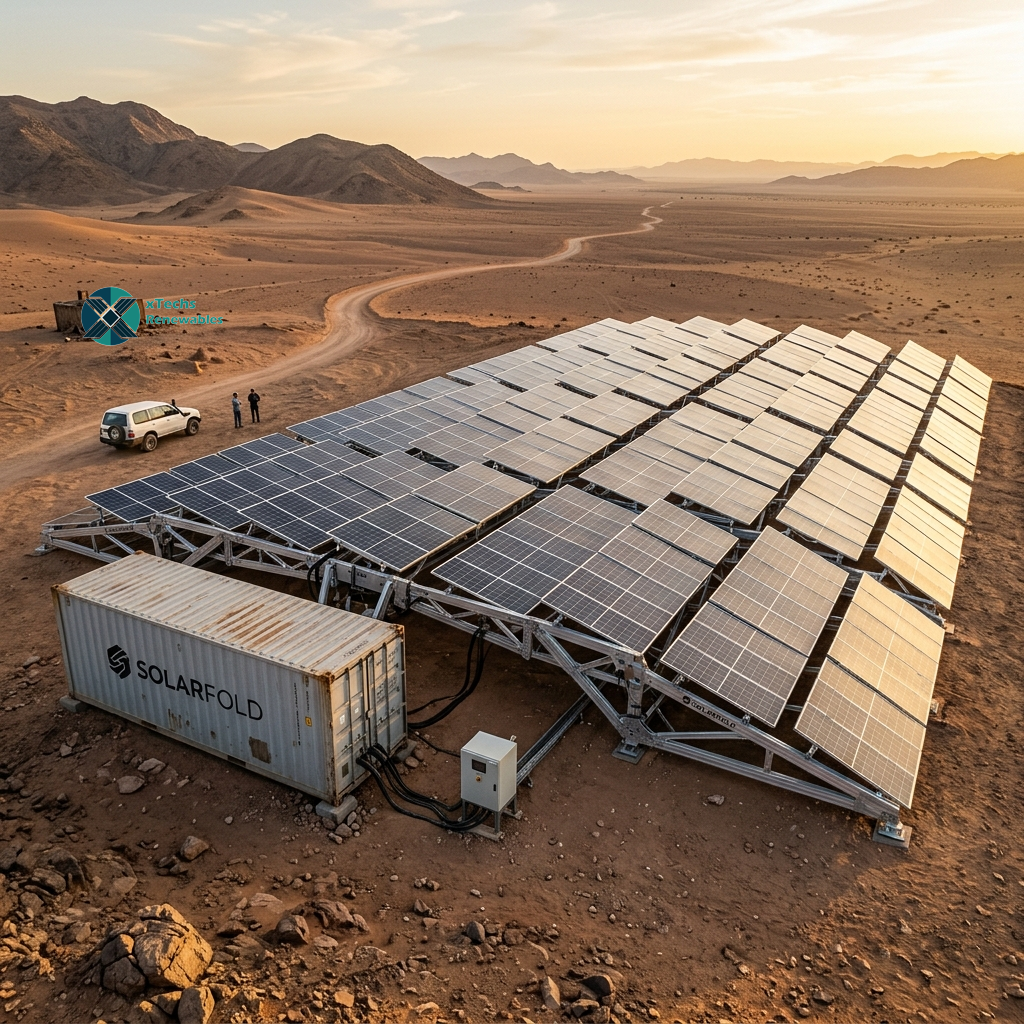
Going fully off-grid means your property has no connection to the electricity network. You generate all your own power — typically via solar panels, stored in batteries for use at night and on cloudy days, with a backup generator for extended periods of poor weather.
There is no grid to fall back on, no feed-in tariff, and no retailer bill. You are entirely responsible for your energy supply — which is liberating when designed correctly, and frustrating when undersized.
02 — System sizing
Sizing for Worst-Case, Not Average
Off-grid systems must be designed for winter — your worst solar month — not summer when panels produce their peak. For a typical 4-bedroom home in the Melbourne region using around 20 kWh per day, expect roughly:
| Component | Typical spec | Why |
|---|---|---|
| Solar array | 15–20 kW | Must charge batteries and cover loads in winter simultaneously |
| Battery storage | 20–40 kWh usable | 2–3 days autonomy without meaningful solar input |
| Hybrid inverter | 10–15 kW | Must handle start-up surge from AC units and pumps |
| Backup generator | 5–10 kVA | Essential winter and emergency backstop |
03 — Costs
What Does It Cost?
Future loads — EV chargers, workshops, additional appliances — need to be factored in at the design stage, not retrofitted later.
| Scale | Typical use case | Indicative range |
|---|---|---|
| Small residential | 2-bed, low consumption | $35,000 – $55,000 |
| Medium residential | 4-bed, average household | $55,000 – $80,000 |
| Large / lifestyle | High consumption, EV, workshop | $80,000 – $130,000+ |
| Rural commercial | Agricultural, small business | $80,000 – $250,000+ |
Off-grid solar still qualifies for STCs (Small-scale Technology Certificates), reducing upfront cost. Most Victorian and federal battery rebates are structured for grid-connected systems — we'll confirm exactly what applies to your project at quotation stage.
04 — Who it suits
Who Is Off-Grid Right For?
- Rural & regional properties — where grid connection costs $30,000–$80,000+ and solar + batteries are competitive on day one.
- Properties with unreliable supply — frequent outages, voltage issues, or long reconnection times after storms.
- Lifestyle blocks & acreage — new builds on land where the grid hasn't been run yet.
- New builds where grid connection quote is prohibitive — when the DNSP connection fee makes self-generation the rational choice.
- Standard suburban Melbourne — already connected to the grid; a solar + battery system on a grid connection almost always delivers better value than full off-grid.
05 — The spectrum
You Don't Have to Choose All-or-Nothing
Most Victorian homeowners land somewhere on a spectrum between grid-only and full off-grid. Understanding where you sit helps you invest at the right level:
Option 01
Solar + Small Battery
Covers evenings and peaks. Grid is your primary backstop. ~40–60% self-sufficient.
Option 02
Solar + Larger Battery
Covers most daily needs. Grid rarely needed. ~70–85% self-sufficient.
Option 03
Near Self-Sufficient
Grid connected but barely used. ~90–95% self-sufficient. Best urban outcome.
Option 04
True Off-Grid
No grid connection. Full independence with generator backup. Best for rural sites.
06 — Our process
How We Do It
Every off-grid system we install is designed and built by our own team — in-house A-Grade licensed electricians, no subcontracting. We start with a detailed consultation and site inspection where we assess every load individually and model your system against real seasonal solar data. From there we prepare a tailored design and quotation, complete the installation (most jobs done within a week), arrange the mandatory independent compliance inspection and Certificate of Electrical Safety, and hand over with full monitoring setup and 24/7 ongoing support.
All workmanship is backed by a 10-year workmanship warranty.
Not Sure Which Way to Go?
We'll give you a straight answer — not a sales pitch. Book a free consultation and we'll assess your property honestly and recommend what actually makes sense.
CEC Accredited · REC 36065 · In-house A-Grade electricians · No subcontracting · Melbourne & surrounds
Guide for Melbourne & Victoria homeowners and rural property owners. Indicative costs and sizing vary by site, loads, and equipment — your accredited installer will model a design specific to your property. See our off-grid solutions page for more.