
How the electricity actually flows
Solar panels generate DC electricity. Your home runs on AC electricity. Batteries store DC electricity. The coupling type simply describes where in the chain the battery connects.
DC-coupled — direct path
- ☀️ Solar Panels (DC)
- ⚡ Hybrid Inverter
- 🔋 Battery
- 🏠 Home / Grid
Solar DC feeds the hybrid inverter → charges the battery → powers your home. Fewer conversions = less energy lost.
AC-coupled — more steps, more flexibility
- ☀️ Solar Panels (DC)
- 🔄 Solar Inverter
- 🏠 Home (AC)
- 🔄 Battery Inverter
- 🔋 Battery
Each DC↔AC conversion loses a small percentage of energy — but your existing solar inverter stays in place, making retrofits far more cost-effective.

Efficiency: how big is the gap?
DC-coupled systems are more efficient. In real-world Victorian homes though, the dollar impact is often smaller than the numbers suggest — because daytime solar export rates are already quite low.
| System type | Round-trip efficiency | Visual |
|---|---|---|
| DC-coupled | ~95–98% | |
| AC-coupled | ~90–94% |
The ~5% difference matters more at scale (commercial installs) than in a typical 6–13kWh residential battery.
📊 Source: Clean Energy Council — Battery Storage Guide for Households (Australia); Sigenergy & GoodWe published system specifications.
Three real Melbourne scenarios
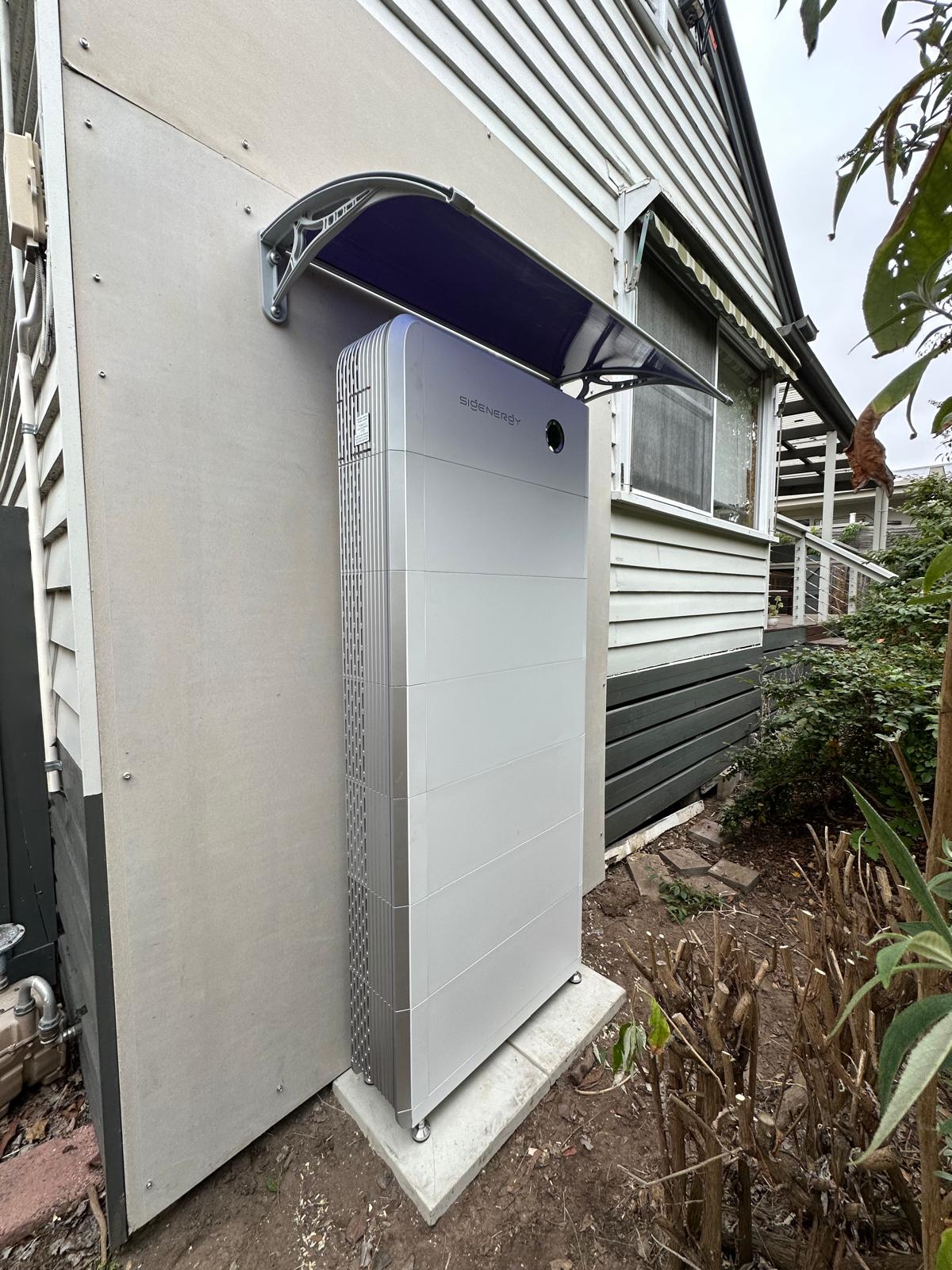
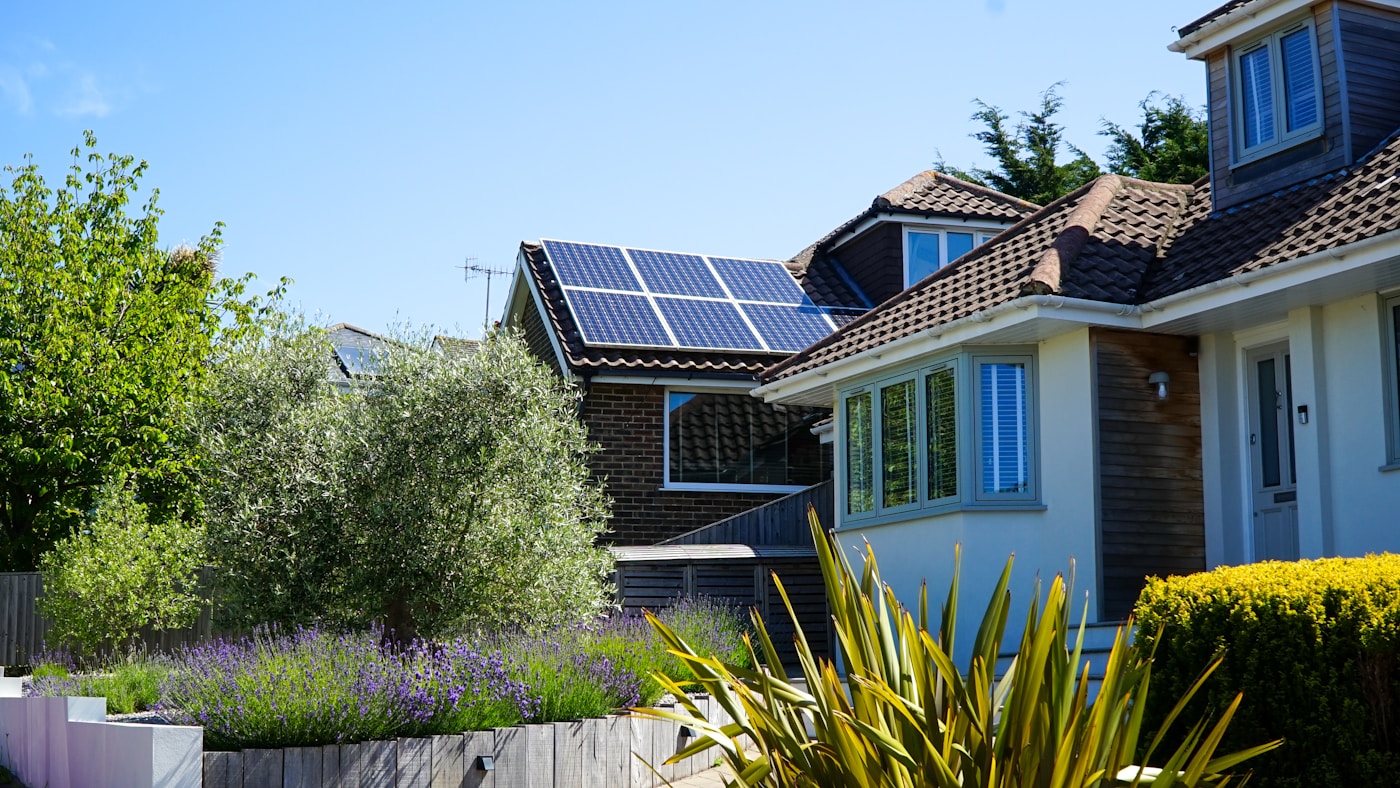
You have an older or undersized system (e.g. 4–6.6kW, 10+ years old) and want to add a battery.
Here's something installers don't always say upfront: a 6.6kW system is often not enough to simultaneously power your home loads and charge a battery without drawing from the grid. If the system is old or undersized, the smarter move is usually to expand the solar array — or start fresh entirely.
If the existing inverter is still compliant and working, an AC-coupled battery from GoodWe ESA or Sigenergy is the cleanest retrofit path. Both have strong advantages here — and Sigenergy's AC-coupled gateway is particularly impressive: it allows your old inverter to continue charging the battery even during a grid outage, something most AC-coupled systems can't do.
Best choice → AC-coupled battery — GoodWe ESA or Sigenergy. Both work with your existing inverter; Sigenergy adds grid-outage charging capability via its gateway.
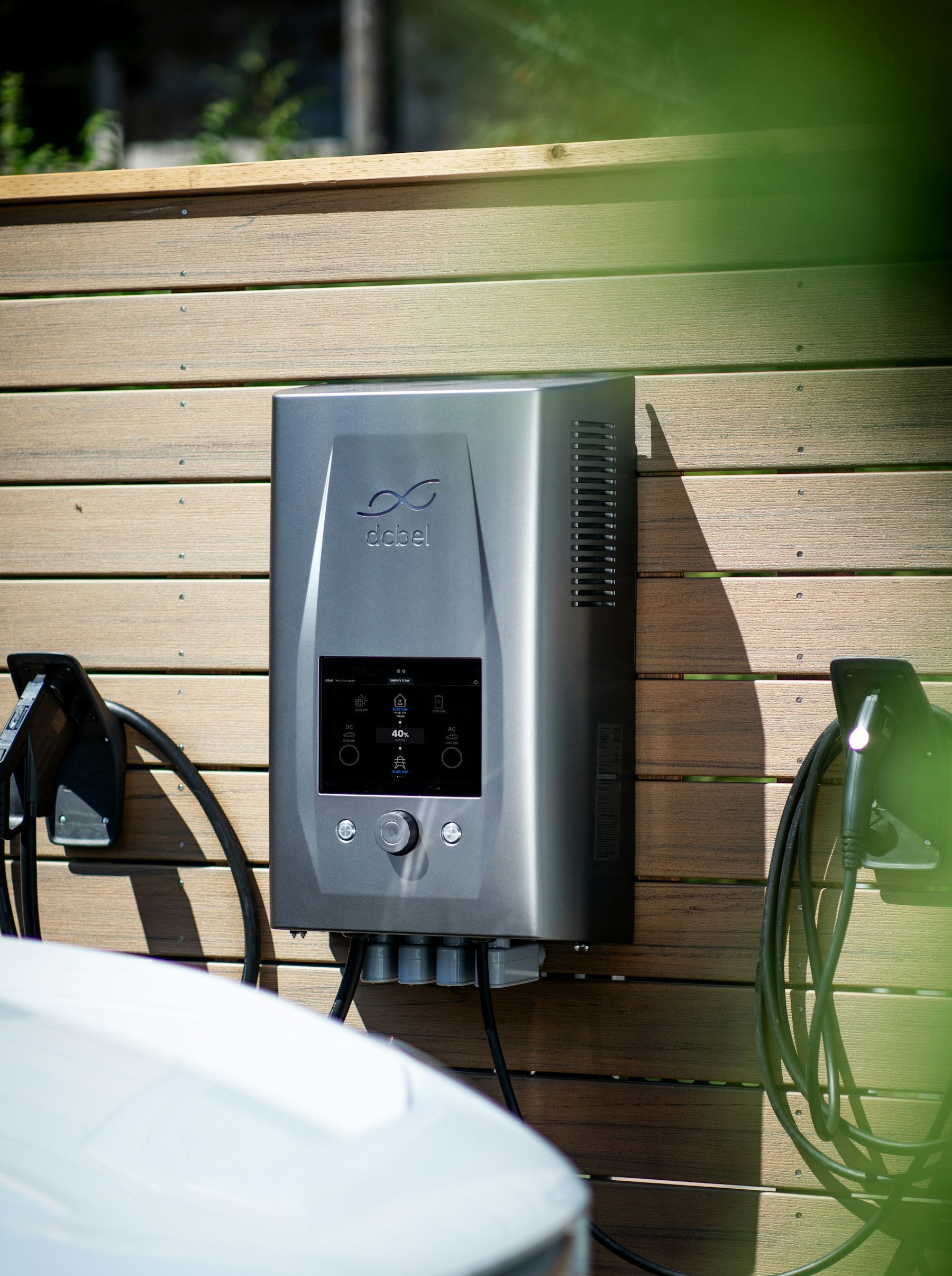
You're starting from scratch — new solar and battery installed together.
This is where DC-coupled shines. A single hybrid inverter handles both solar and battery — fewer components, cleaner install, better efficiency, and one app to manage everything.
This is the default recommendation for new installs. One inverter means simpler grid compliance with your DNSP and a more integrated energy management experience.
Best choice → DC-coupled hybrid system — Sigenergy or GoodWe ESA, both installed and supported fully in-house by our A-Grade electricians.
Your existing solar was installed recently, is regulation-compliant, and you want more capacity plus a battery.
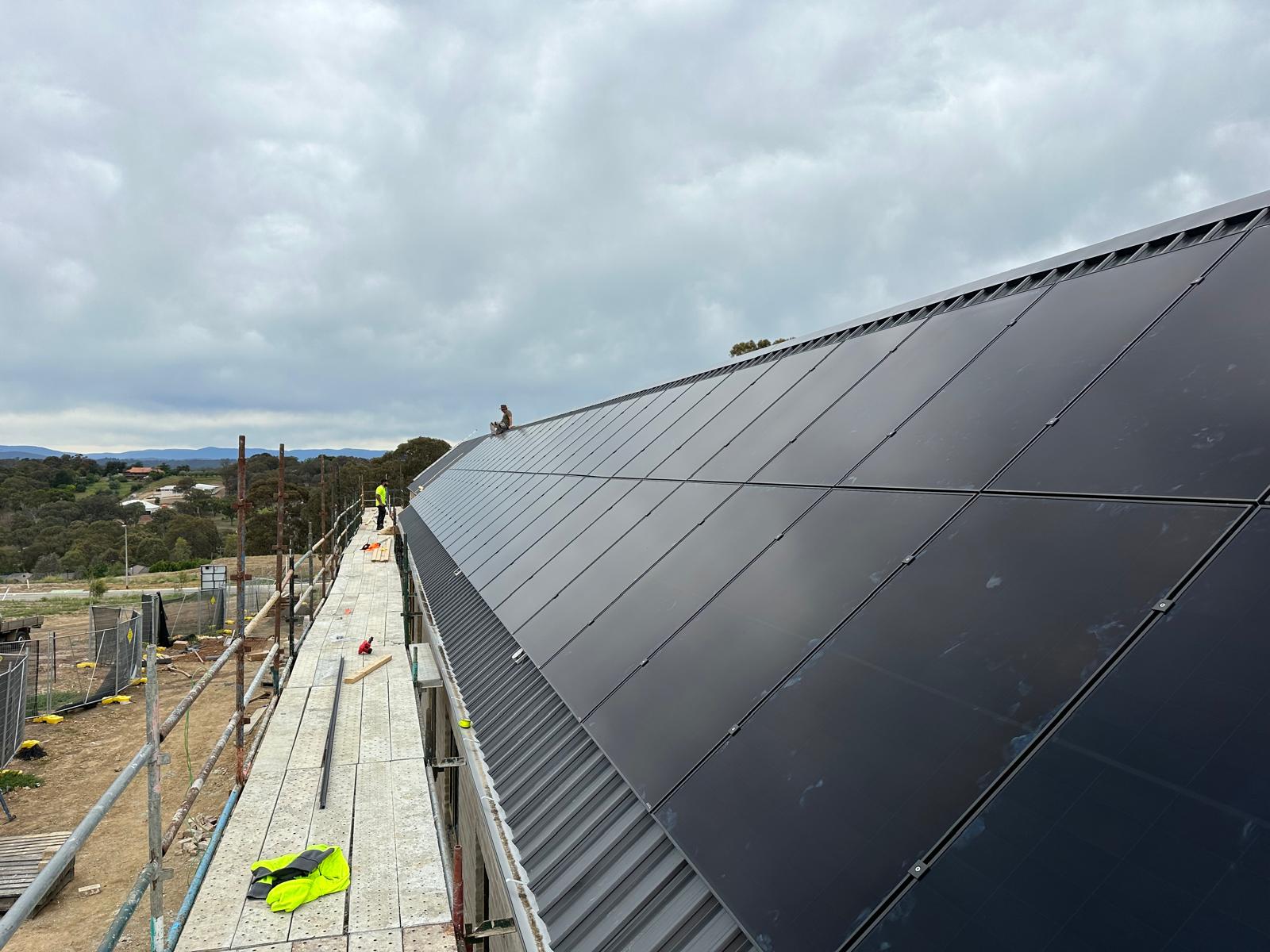
This is a lesser-known but highly efficient path. Rather than replacing what's working, we extend the existing DC cables from the solar array, add a new hybrid inverter and battery, and expand the PV array on the roof — connecting the new panels alongside the old ones on separate trackers.
This makes full use of the panels you already paid for, gets you a more efficient DC-coupled system, and avoids the waste of decommissioning a compliant install. It's an elegant upgrade path that many homeowners don't know is possible.
Best choice → DC-coupled hybrid expansion — retain existing panels on separate trackers, add new PV + Sigenergy or GoodWe ESA hybrid inverter and battery.
The brands we install & stand behind
DC-coupled — our primary recommendation
Sigenergy and GoodWe ESA hybrid inverter systems are our go-to for new solar + battery installs. Both offer excellent efficiency, strong app-based energy management, and full in-house support from our team.
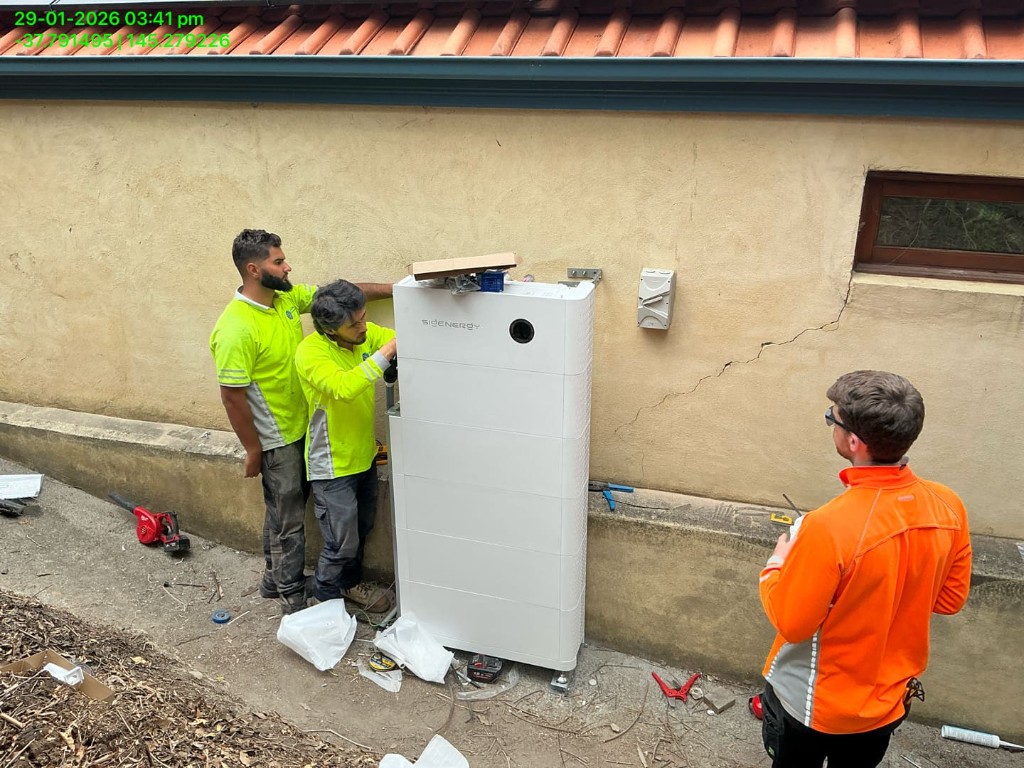
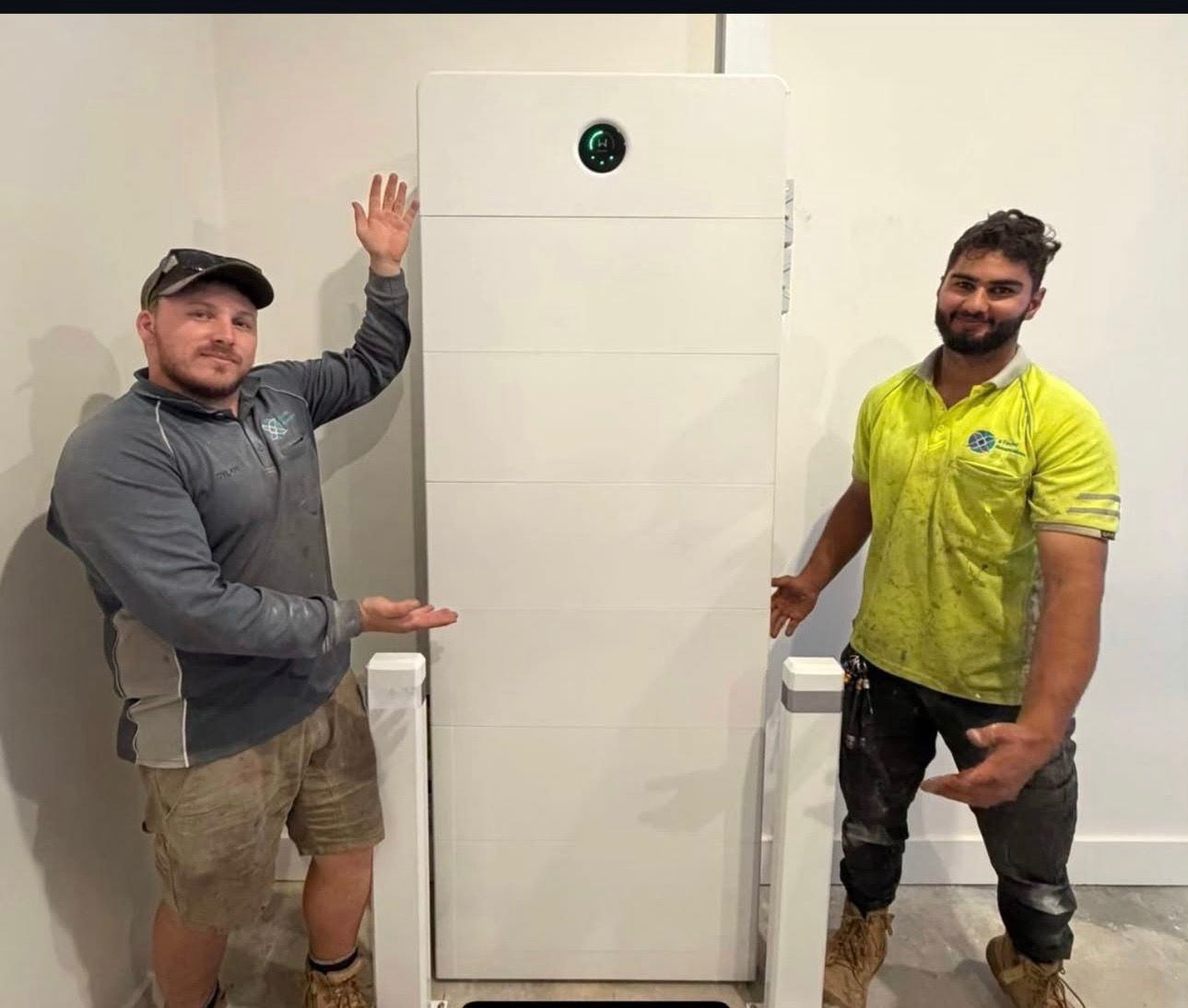
AC-coupled — retrofit option
Both Sigenergy and GoodWe ESA also work brilliantly as AC-coupled retrofits. Sigenergy's gateway stands out — it enables your existing solar inverter to charge the battery even during a blackout, a rare capability in the AC-coupled space.
Which should you choose?
DC-coupled if you're…
- Installing new solar and battery together
- Building a new home
- Expanding a recent, compliant system with new panels
- After the highest efficiency
- Wanting VPP or smart energy management
AC-coupled if you're…
- Adding storage to an older existing system
- Keeping a working inverter under ~7 years old
- After the simplest, fastest retrofit
- Wanting Sigenergy's blackout-charging gateway
- Planning to potentially expand further later
Both systems are solid choices when matched to the right situation. The biggest mistake is applying DC-coupled thinking to a retrofit — or vice versa.
Photos: xTechs Renewables installs (GoodWe ESA, roof expansion, Sigenergy); stock images via Unsplash (solar roof scenes, Scenario 1 illustration).
Not sure which is right for your home?
Our in-house A-Grade electricians assess your existing setup and recommend the right system — no subcontractors, no guesswork.
CEC Accredited · REC 36065 · In-house A-Grade electricians · No subcontracting · Melbourne & surrounds
Plain-English guide for Melbourne & Victoria homeowners. Brands and specifications referenced from published Sigenergy and GoodWe ESA documentation and Clean Energy Council household battery guidance.